Water Damage Restoration Services
Expert water damage repair and prevention. Fast, efficient, guaranteed.
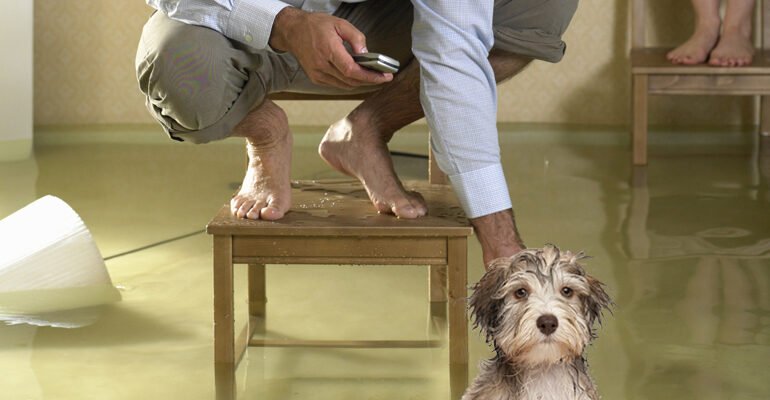
Emergency Water Extraction
Rapid Response
24/7 emergency teams arrive within hours
Assessment
Identify water source and extent of damage
Extraction
Industrial-grade pumps remove standing water quickly
Professional Drying Techniques
Air Movers
High-velocity fans circulate air, accelerating evaporation
Dehumidifiers
Remove moisture from air, preventing mold growth
Moisture Meters
Monitor drying progress in walls and floors

Dehumidification Process
Setup
Place dehumidifiers strategically in affected areas
Operation
Run continuously to extract moisture from air
Monitoring
Check humidity levels regularly with hygrometers
Adjustment
Reposition units as needed for optimal results

Our Advantage
Preventing Further Water Infiltration
Identify Source
Locate and address the root cause of water entry
Repair Leaks
Fix plumbing issues, roof damage, or foundation cracks
Improve Drainage
Install or upgrade gutters and downspouts
Waterproofing
pply sealants to vulnerable areas of the home
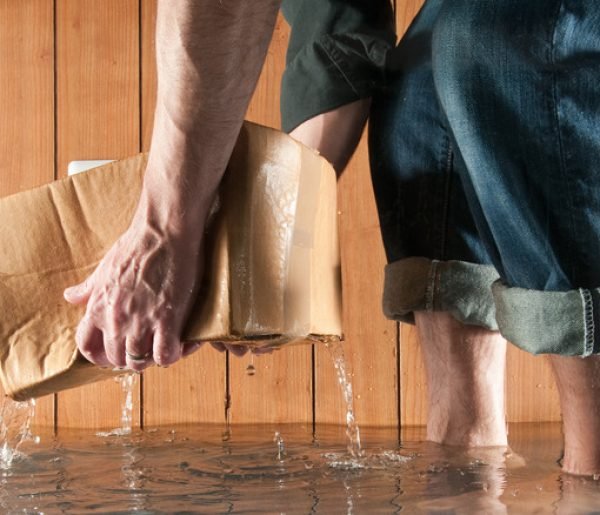
pply sealants to vulnerable areas of the home
- Wall Cavity Drying
- Subfloor Drying
- Crawlspace Drying
Wall Cavity Drying
Subfloor Drying
Crawlspace Drying
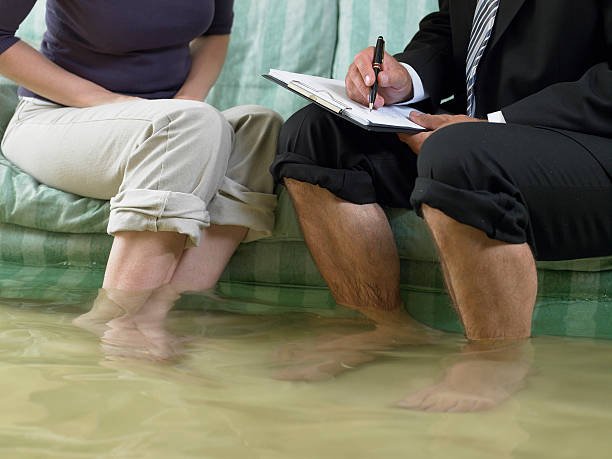
Why Choose Us?
Making your home so beautiful, you'll never want to leave
There are many variations of passages of Lorem Ipsum available, but the majority have suffered alteration in some form.
Category 1
Clean Water
Broken pipes, overflowing sinks
Category 2
Gray Water
Broken pipes, overflowing sinks
Category 3
Black Water
Sewage backup, floodwater from rivers
Mold Prevention
Antimicrobial Application
Apply EPA-registered antimicrobial solutions to inhibit mold growth
Airflow Management
Maintain proper ventilation to discourage mold spores
Temperature Control
Keep indoor humidity below 50% to prevent mold
Content Restoration
Careful removal and inventory of affected items
Specialized methods for various materials and contamination levels
Eliminate odors caused by water damage
Secure, climate-controlled facilities for items during restoration
Document Recovery
01
Freeze-Drying
Iterative methods of developing the corporate strategy.
02
Dehumidification
Gradually removes moisture from paper
03
Sanitization
Removes contaminants and odors
04
Digitization
Create digital copies of restored documents
Flooring Restoration

Carpet
Extraction, cleaning, and possible replacement

Hardwood
Drying, sanding, and refinishing process
Tile
Cleaning, disinfecting, and grout restoration


What we do
Drywall Repair
01
Removal
Cut out and dispose of water-damaged sections
02
Drying
Ensure surrounding areas are completely dry
03
Replacement
Install new drywall panels
04
Finishing
Tape, mud, sand, and paint to match
Insulation Replacement
01
Inspection
Assess extent of water damage to insulation
02
Removal
Safely extract and dispose of wet insulation
03
Drying
Ensure wall cavities are completely dry
04
Installation
Replace with new, appropriate insulation material
Electrical System Checks
01
Outlet Testing
Verify functionality and safety of electrical outlets
01
Wiring Inspection
Check for corrosion or damage to electrical wiring
01
Panel Assessment
Evaluate condition of main electrical panel
01
Certification
Obtain electrical safety clearance after water damage
HVAC System Restoration
01
Duct Cleaning
02
Component Inspection
03
Decontamination
Odor Removal Techniques
Structural Integrity Assessment
01
Visual Inspection
Identify signs of structural compromise
02
Moisture Mapping
Locate areas of potential hidden damage
03
Load Testing
Evaluate load-bearing capacity of affected structures
04
Reporting
Provide detailed analysis and recommendations
Antimicrobial Treatments
Biocides
Kill existing micro-organisms on surfaces
Fungistats
Inhibit future mold and mildew growth
Application Methods
Spraying, fogging, and direct application techniques
Sewage Cleanup
01
Containment
Isolate affected areas to prevent spread
02
Extraction
Remove contaminated water and solid waste
03
Sanitization
Apply hospital-grade disinfectants to all surfaces
04
Disposal
Properly remove and dispose of contaminated materials
Basement Waterproofing
01
Crack Injection
Seal foundation cracks with epoxy or polyurethane
02
Interior Sealants
Apply waterproof coatings to basement walls
03
Exterior Barriers
Install waterproof membranes outside foundation walls
04
Drainage Systems
Implement interior or exterior water diversion systems
Roof Leak Repair
Locate source of roof leaks
Inspection
Fix damaged shingles, flashing, or underlayment
Repair
Apply protective coatings or install new materials
Prevention
Schedule regular roof inspections and upkeep
Maintenance
Water Damage Insurance Claims
01
Documentation
Photograph and inventory all damaged items
02
Claim Filing
Submit detailed claim to insurance provider
03
Adjuster Visit
Coordinate on-site inspection with insurance adjuster
04
Negotiation
Work with insurer to ensure fair compensation
Water Damage Health Risks
Mold Exposure
Respiratory issues, allergic reactions
Bacteria
Gastrointestinal illnesses, infections
Chemical Contaminants
Skin irritation, toxic exposure
Structural Hazards
Injury from weakened materials
Emergency Preparedness
Install water sensors and alarms
Know where and how to stop water flow
Keep restoration service numbers easily accessible
Prepare supplies for water damage emergencies
Water Damage Prevention Tips
Regular Inspections
Check plumbing, roof, and foundation regularly
Gutter Maintenance
Clean gutters and downspouts to ensure proper drainage
Freeze Prevention
Insulate pipes and maintain heat in cold weather
Landscaping
Grade soil away from foundation to divert water
Advanced Drying Technologies
Thermal Imaging
Detect hidden moisture pockets in walls and ceilings
Desiccant Dehumidifiers
Remove moisture in low-humidity, low-temperature environments
Injectidry Systems
Dry hard-to-reach areas like wall cavities and under cabinets
Water Damage and Energy Efficiency
01
Insulation Impact
02
Air Sealing
03
HVAC Performance

Environmental Considerations
01
Green Cleaning Products
Use environmentally safe cleaning solutions when possible
02
Proper Disposal
Follow regulations for disposing of contaminated materials
03
Water Conservation
Implement water-saving techniques during restoration process
04
Sustainable Materials
Choose eco-friendly replacement materials when applicable
Long-Term Monitoring
01
Humidity Tracking
Monitor indoor humidity levels for several months
02
Visual Inspections
Regularly check for signs of recurring issues
03
Air Quality Testing
Conduct periodic tests to ensure healthy indoor environment
04
Maintenance Schedule
Follow up on preventive measures and repairs
Customer Education

Water Damage Causes
Educate on common sources of water damage

Prevention Tools
Introduce modern technologies for early detection

Restoration Process
Explain steps involved in professional water damage restoration