
Fire & Smoke Damage Restoration
Restoring hope after disaster strikes.
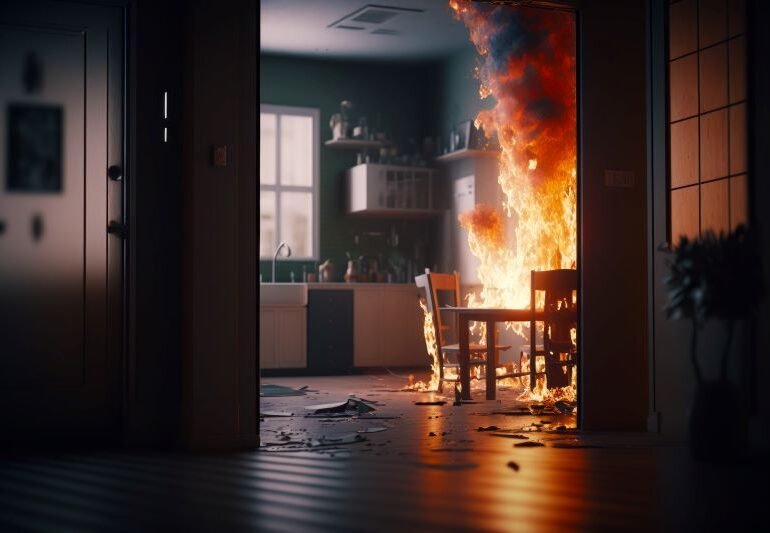
The Aftermath
Soot Damage
Covers surfaces with dark, oily residue.
Structural Damage
Compromises integrity of building materials.
Water Damage
Results from firefighting efforts.
Our Approach
Assessment
Thorough inspection of damage extent.
Planning
Develop comprehensive restoration strategy.
Execution
Implement restoration plan with skilled technicians.
Final Inspection
Ensure all work meets quality standards.

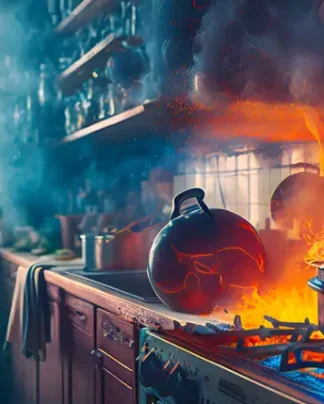
Emergency Response
24/7 Availability
Round-the-clock response to fire emergencies.
Rapid Deployment
Quick arrival to prevent further damage.
Initial Stabilization
Secure property and assess immediate risks.
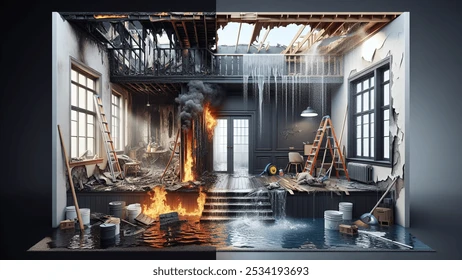

Our Advantage
Soot Removal
Dry Cleaning
Vacuum and brush loose soot particles.
Chemical Sponges
Absorb stubborn soot from surfaces.
Wet Cleaning
Use specialized detergents for final cleaning.
Odor Control
- Air Scrubbing
- Ozone Treatment
- Thermal Fogging
Air Scrubbing
High-efficiency particulate air (HEPA) filtration removes odor particles.
Ozone Treatment
Oxidizes odor molecules at their source.
Thermal Fogging
Penetrates materials to neutralize embedded odors.
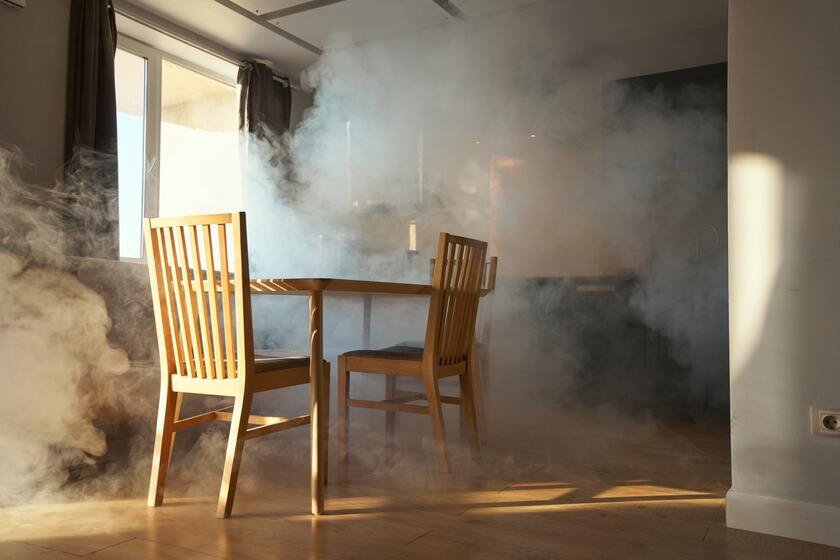
Structural Repairs
Framing Reconstruction
Replace damaged support beams and studs.
Drywall Replacement
Install new walls and ceilings.
Flooring Restoration
Repair or replace damaged floor materials.
Roof Repair
Fix fire-damaged roofing components.
Water Damage Mitigation
Remove standing water with pumps.
Reduce moisture levels in air and materials.
Use air movers to accelerate evaporation.
Content Cleaning
Furniture
Specialized cleaning for upholstery and wood.
Textiles
Professional laundering of smoke-affected fabrics.
Electronics
Careful restoration of fire-damaged devices.
Documents
Specialized techniques for paper restoration.
HVAC Cleaning

Ductwork Inspection

Filter Replacement
Mechanical Cleaning
Smoke Damage Assessment
Type
Characteristics
Cleaning Method
Dry Smoke
Powdery, thin layer
Dry sponge, vacuum
Wet Smoke
Sticky, smeary residue
Degreaser, wet cleaning
Protein Smoke
Invisible, pungent odor
Enzymatic cleaners


What we do
Personal Protective Equipment

01
Respiratory Protection
Filters harmful particles and gases.
02
Hand Protection
Guards against chemical and physical hazards.
Eye and Head Protection
Shields from debris and falling objects.
Chemical Treatments
Antimicrobial Agents
Prevent mold growth in damp areas.
Odor Counteractants
Neutralize smoke odors at molecular level.
Corrosion Inhibitors
Protect metal surfaces from further damage.
Thermal Imaging
Hidden Damage Detection
Reveals heat signatures of concealed fire damage.
Moisture Mapping
Identifies areas of water infiltration.
Efficiency Assessment
Locates thermal anomalies in insulation.
Furniture Restoration
Upholstery Cleaning
Deep clean fabrics to remove smoke odors.
Wood Refinishing
Strip, sand, and refinish damaged wood surfaces.
Metal Polishing
Remove tarnish and restore shine to metals.
Structural Repair
Fix or replace damaged furniture components.
Document Recovery
Freeze-Drying
Removes moisture without causing further damage.
Dehumidification
Gradually reduces moisture content of papers.
Digitization
Create digital copies of damaged documents.
Vacuum Freeze-Drying
Advanced technique for delicate materials.
Deodorization Techniques
Hydroxyl Generators
Vapor Modification
Sealants
Packout Services
Inventory
Document and catalog all items for removal.
Packing
Carefully wrap and box belongings.
Transport
Move items to secure off-site facility.
Storage
Climate-controlled environment for safekeeping.
Structural Drying
Use meters to locate and measure moisture levels.
Moisture Mapping
Strategic positioning of air movers and dehumidifiers.
Equipment Placement
Daily checks to ensure proper drying.
Progress Monitoring
Contamination Control
01
Containment Barriers
Isolate affected areas to prevent spread.
02
Negative Air Pressure
Control airflow to contain contaminants.
03
HEPA Filtration
Capture fine particles and spores.
Smoke Residue Types
Residue
Source
Appearance
Dry Smoke
Fast-burning fires
Powdery, non-smeary
Wet Smoke
Slow-burning, smoldering fires
Sticky, smeary
Protein Smoke
Kitchen fires
Virtually invisible, pungent odor
Fuel Oil Smoke
Furnace puff backs
Thick, black, oily
Electronics Restoration
Evaluate extent of smoke and heat damage.
Remove corrosive residues from components.
Eliminate moisture to prevent short circuits.
Verify functionality and safety of devices.
Textile Cleaning Methods
Wet Cleaning
Machine or hand washing with specialized detergents.
Dry Cleaning
Solvent-based cleaning for delicate fabrics.
Ultrasonic Cleaning
Uses sound waves to remove contaminants.
Ozone Treatment
Oxidizes odors in fabrics and textiles.
Mold Prevention
Moisture Control
Maintain indoor humidity below 60%.
Proper Ventilation
Ensure adequate air circulation in all areas.
Quick Response
Address water issues within 24-48 hours.
Regular Inspections
Check for signs of mold growth frequently.
Air Quality Testing
Particulate Matter
Measure concentration of airborne particles.
VOC Levels
Detect presence of volatile organic compounds.
Microbial Sampling
Identify mold spores and other microorganisms.

Insurance Coordination
01
Documentation
Compile detailed records of damage and restoration.
02
Estimate Preparation
Provide itemized cost breakdown for repairs.
03
Claim Submission
File comprehensive claim with insurance provider.
04
Adjuster Liaison
Communicate with insurance adjuster throughout process.
Post-Restoration Inspection
01
Visual Examination
Thoroughly inspect all restored areas.
02
Odor Assessment
Verify elimination of smoke odors.
03
Systems Testing
Check functionality of electrical and HVAC systems.
04
Documentation Review
Ensure all restoration work is properly documented.