The Ultimate Kitchen Remodel Guide

Transform your kitchen into a stunning and functional space with our comprehensive step-by-step remodeling guide. Whether you’re looking to update the aesthetics, improve functionality, or increase the value of your home, our guide covers every aspect of the remodeling process. From initial planning and budgeting to demolition and installation, we provide detailed instructions and expert tips to ensure a smooth and successful renovation. Discover how to choose the right materials, optimize your layout, and incorporate the latest design trends to create a kitchen that truly reflects your style and meets your needs. With our guide, you’ll have all the tools and knowledge you need to turn your dream kitchen into a reality.

Demolition and Removal

This phase involves carefully dismantling existing structures, such as cabinets, countertops, and appliances, to make way for new installations. It’s essential to approach demolition with a clear plan to avoid damaging plumbing, electrical systems, or structural elements. Proper removal and disposal of debris ensure a clean and safe workspace, setting the stage for a smooth and efficient renovation process. Hiring professionals for this task can save time and prevent costly mistakes, ensuring that the remodel starts on the right foot.

Carefully detach and remove all existing cabinetry.

Disconnect and remove countertops, including sinks and fixtures.

Disconnect and safely remove all kitchen appliances.

Tear up existing flooring, exposing subfloor for inspection.

Wall Reconfiguration

involves altering your kitchen’s layout to improve space and functionality. This process can open up areas, enhance traffic flow, and accommodate new designs while ensuring structural integrity and compliance with building codes.

Identify Non-Load
Bearing Walls

Consult structural plans to determine removable walls.

Wall Demolition

Carefully knock down selected walls for open layout.

Debris Removal

Clear demolished materials to prepare for new construction.

Structural Assessment

Structural Assessment
Structural Modifications
Engineering Consultation

Electrical System Upgrade

Electrical System Upgrade

Our Tabs

Design Consultancy

Range Hood Assessment

Range Hood Assessment

We help ambitious businesses like yours generate more profits by building awareness, driving web traffic, connecting with customers, and growing overall sales. Give us a call.

Architecture Design

Range Hood Assessment

Range Hood Assessment

We help ambitious businesses like yours generate more profits by building awareness, driving web traffic, connecting with customers, and growing overall sales. Give us a call.

Corporate Interior

Range Hood Assessment

Range Hood Assessment

We help ambitious businesses like yours generate more profits by building awareness, driving web traffic, connecting with customers, and growing overall sales. Give us a call.

Commercial Interior

Range Hood Assessment

Range Hood Assessment

We help ambitious businesses like yours generate more profits by building awareness, driving web traffic, connecting with customers, and growing overall sales. Give us a call.

Residential Interior

We help ambitious businesses like yours generate more profits by building awareness, driving web traffic, connecting with customers, and growing overall sales. Give us a call.

kitchen-island-ideas-drummond-house-661574cc11a3a
10

Appliance Installation

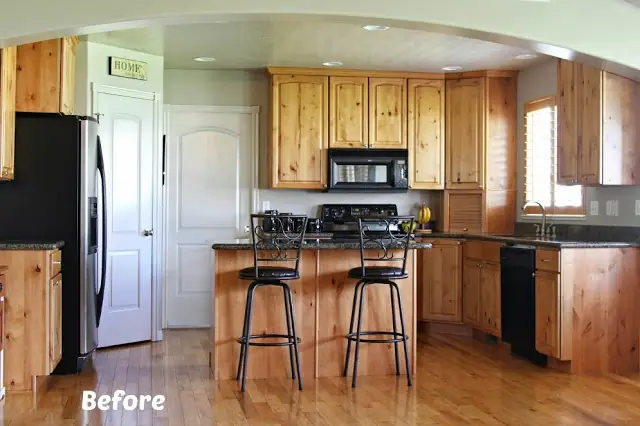
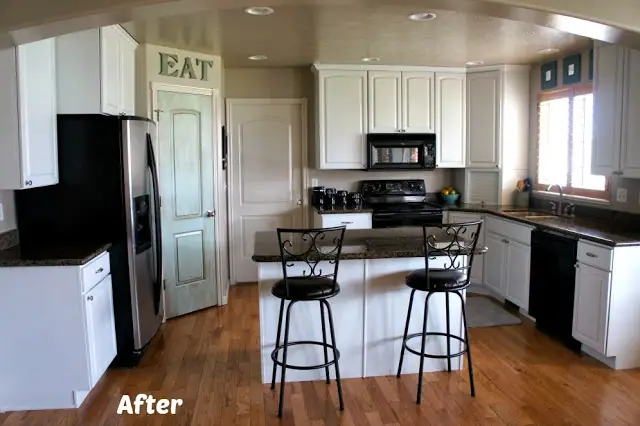
Before imageAfter image

Sink and Faucet Installation

To install a sink and faucet, start by preparing the area. This involves shutting off the water supply, removing the old sink and faucet, and thoroughly cleaning the surface. Next, apply a sealant around the edges of the new sink, position it correctly, and secure it in place using clips or brackets. Finally, attach the new faucet by connecting the water lines, tightening the mounting nuts, and testing for any leaks to ensure everything is properly installed and functioning. This process ensures a secure and leak-free installation.
Sink Mounting
Sink Mounting
Plumbing Connections
Faucet Installation
Faucet Installation

Lighting Installation

Backsplash Installation

Installing a backsplash involves several key steps to ensure a professional finish. Begin by measuring the area and cutting the backsplash material to fit. Clean the wall surface thoroughly to remove any grease or debris. Apply adhesive to the back of the backsplash tiles or panels, and press them firmly onto the wall, starting from the center and working outward. Use spacers to maintain even gaps between tiles if necessary. Once the adhesive has set, apply grout to fill the gaps and wipe away any excess. Finally, seal the grout to protect against moisture and stains, ensuring a durable and attractive backsplash installation.

Clean and prepare wall surface for tile adhesion.

Plan tile pattern and make necessary cuts.

Apply tile adhesive evenly to wall surface.

Set tiles in place, using spacers for consistency.

Apply and wipe grout for a finished look.

Kitchen Accessory Organization

pbmit-about-01.jpg
pbmit-about-02.jpg

Painting and Finishing

25 %

Surface Preparation

Sand and clean all surfaces to be painted.
50 %

Priming

Apply primer for better paint adhesion and coverage.
75 %

Painting

Apply chosen paint colors to walls and trim.
100 %

Touch-ups

Perform final touch-ups for a flawless finish.
Before imageAfter image
blog-details-01.jpg
team.jpg

Debris Removal

pbmit-about-01.jpg
pbmit-about-02.jpg

Quality Inspection

Final Walkthrough

Project Documentation

Before and After Photos

Document transformation with high-quality images.

Material List

Compile detailed list of all materials used.

Contractor Information

Provide contact details for all involved professionals.

Maintenance Schedule

Create timeline for routine care and maintenance.